Preventive Medicine as the key to a longer, healthier life
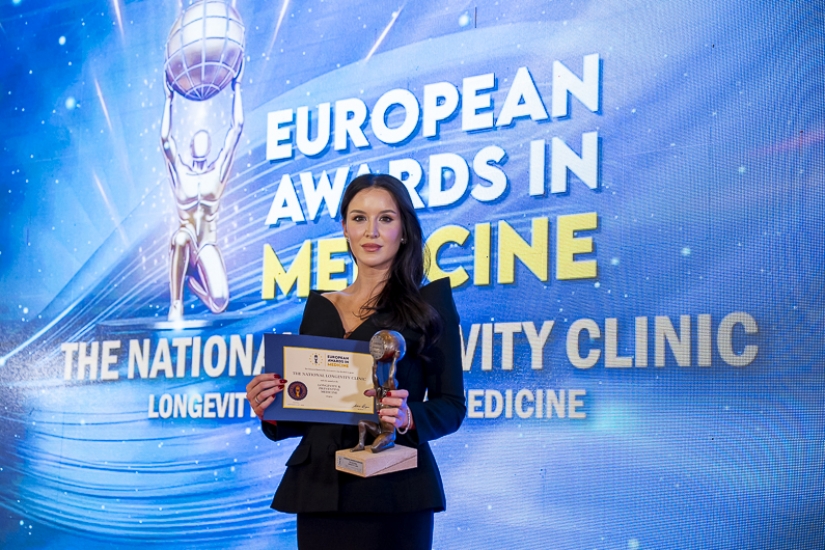
Audrey Elena Ottavi, CEO
Based on Harley Street in London, The National Longevity Clinic offers a medical longevity model that combines advanced diagnostics, specialist medicine, nutrition and lifestyle changes to identify risks at an early stage and help preserve long-term health.
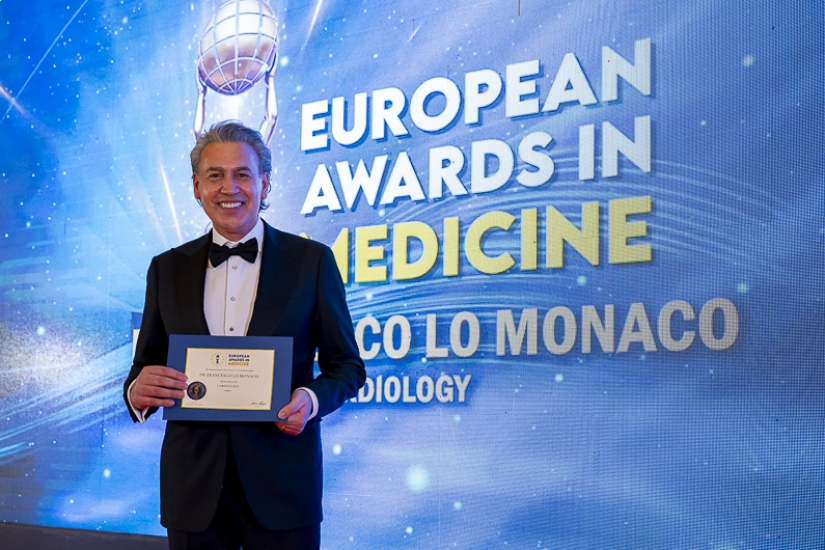
The clinic was co-founded by Audrey Elena Ottaviani-Lo Monaco, Chief Executive Officer, nutritional practitioner and functional medicine expert, and her husband, Dr Francesco Lo Monaco, Consultant Cardiologist and Medical Director. The project brings together two complementary perspectives: clinical experience in diagnosing and preventing disease, and an understanding of how diet, everyday habits and environmental factors influence wellbeing. Its aim is to intervene before symptoms appear, with care centred on the individual rather than solely on the disease.
One of the clinic’s distinguishing features is the integration of medicine and nutrition within a single approach to healthcare. Its team brings together medical professionals, nutrition specialists and lifestyle medicine experts to develop strategies tailored to each individual’s needs. The aim is to ensure that medical recommendations are not only scientifically rigorous, but also realistic and sustainable in everyday life.
To achieve this, the clinic combines clinical assessments with advanced diagnostic tools. Depending on each patient’s needs, investigations may include more than 250 biomarkers, biological age testing, multi-cancer screening, nutrigenomics, gut microbiome analysis, DEXA bone density scans and assessments of maximal oxygen uptake (VO? max). The most comprehensive programmes incorporate whole-body MRI and brain health assessments.
Cardiovascular prevention plays a prominent role in this approach. Through its connection with The National Heart Clinic, the organisation has access to a network of 72 consultant cardiologists and 23 longevity medicine specialists, facilitating continuity of care when an assessment identifies the need for specialist attention. In addition, The National Blood Test Clinic provides access to UKAS-accredited laboratories, profiles covering more than 350 biomarkers, and blood testing services both at the clinic and in patients’ homes across the UK.
Care is delivered through three membership programmes — Foundation, Precision and Signature — offering different levels of assessment and ongoing support. Plans are reviewed regularly to adapt interventions to changes in health and personal circumstances.
Through this approach, The National Longevity Clinic aims to establish preventive, personalised and evidence-based medicine as a cornerstone of long-term health.